Mastering Natural Light
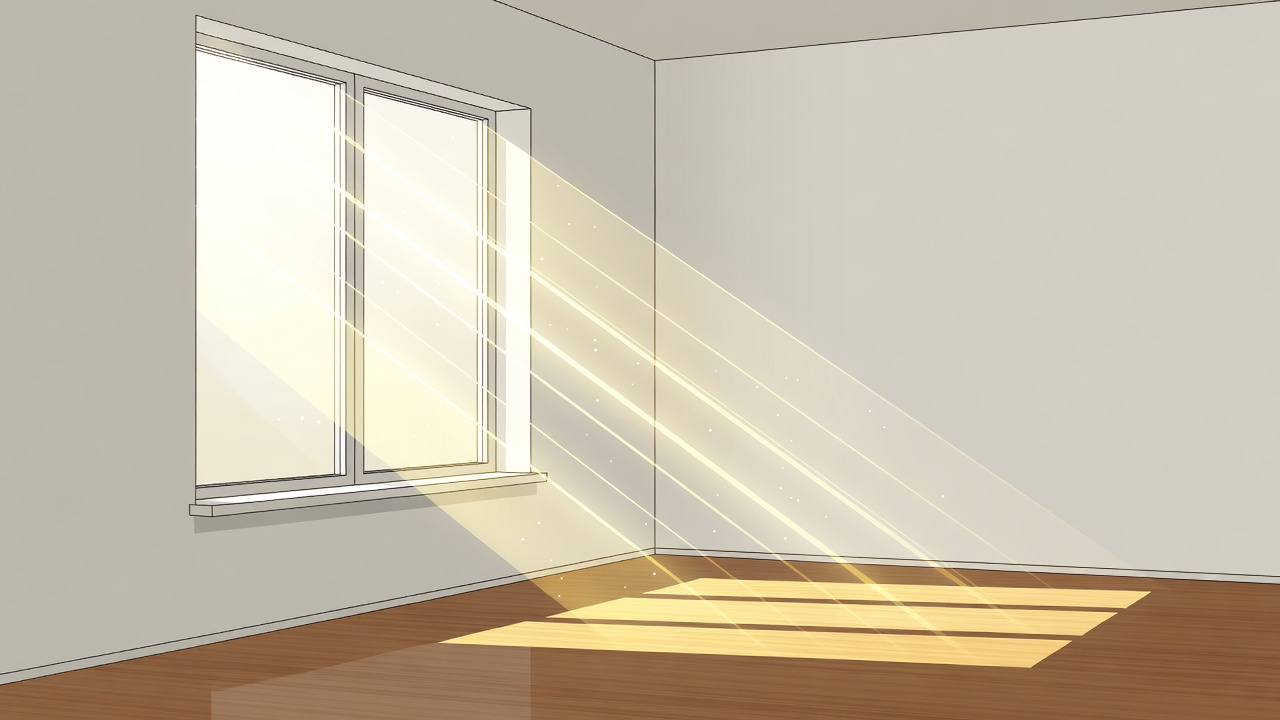
Lighting is the foundation of every great photograph, and indoor lighting presents unique challenges. You don't need a massive studio setup to get started. You need to understand how to exploit the light you already have. This guide focuses strictly on utilizing ambient and natural light effectively in confined domestic spaces.
1. The Power of Window Light
Windows are your primary softboxes. The closer your subject is to a window, the softer and more wrapped the light will be. If the sun is beaming directly through the glass, it creates harsh shadows. You want indirect sunlight. North or South facing windows provide consistent, diffused light throughout the majority of the day.
- Direct Light: High contrast, stark shadows. Good for dramatic, moody portraits or highlighting specific textures.
- Indirect Light: Soft, even illumination. Flattering for skin tones and general product photography.
- Diffusing: If your light is too harsh, pull a sheer white curtain across the window. This instantly turns a harsh light source into a massive, flattering softbox.
2. Managing Shadows with Reflectors
When light hits one side of your subject, the opposite side falls into shadow. In a studio, you might use a second light (a fill light). In your living room, you use a reflector. You do not need to buy specialized gear. A piece of white foam core, a large white book, or even a white bedsheet draped over a chair works perfectly.
Position the reflector on the shadow side of your subject, angled slightly to catch the window light and bounce it back. The closer the reflector is to the subject, the stronger the fill will be.
3. Mixing Color Temperatures
One of the fastest ways to ruin an indoor photo is mixing light sources with different color temperatures. Daylight is cool (around 5500K). Most household lamps are warm (around 2700K - 3200K). If you light a subject with window light on one side and a tungsten lamp on the other, your camera's white balance will struggle, resulting in muddy, unnatural colors.
The Rule: Turn off overhead and artificial lights when shooting with window light. Stick to one dominant light source.
4. Golden Hour and Blue Hour Indoors
The time of day dictates the mood of your room. The "Golden Hour" (shortly after sunrise and before sunset) pushes warm, directional light deep into rooms. This is excellent for evocative lifestyle photography. "Blue Hour" (twilight) provides a moody, cool ambient tone that pairs exceptionally well with a single warm, isolated artificial light (like a reading lamp) for a cinematic look.
Action Step
Tomorrow, turn off all the lights in your primary living space. Take four photos of the exact same subject near a window at 9 AM, 12 PM, 4 PM, and 7 PM. Observe how the contrast, shadow length, and color temperature shift throughout the day.